
2024-02-18 · 8 min read · TP Team
Did you know, there are actually 100 types of arthritis?
The most common of these is osteoarthritis (OA) – the condition I will be discussing in this blog.
OA tends to affect the synovial joints of the fingers and thumbs, knees, hip joints and lower spine and neck. It results in narrowed 'joint space' and changes in the bone structure.
Symptoms are joint pain and stiffness, weak grip and even instability in the knees and hips.
It has traditionally been thought of as inevitable 'wear and tear' or 'just part of ageing'. But science is now rethinking the causes of this painful and often quite debilitating condition.
So, what factors typically cause OA, and what can we do to help prevent it and to reduce its impact on our lives? Some (non-modifiable) factors we can't do much about, but others… we can certainly modify to improve outcomes:
NON-MODIFIABLE FACTORS:
• AGE: OA tends to become more noticeable after the age of 50
• GENDER: it's a lot more prevalent in females
• GENETICS: though problems may also be due to similar lifestyle and body dynamics
• CO-EXISTING CONDITIONS: e.g. a high incidence of OA in people with diabetes
• ABNORMAL JOINT STRUCTURE or BONE DENSITY: both can cause joint damage
• JOINT INJURY: severe (even historic) injuries to joint tissues can cause OA
*These last three factors are conventionally thought of as non-modifiable, but all can be helped through a well-planned programme of diet and exercise.*
MODIFIABLE FACTORS (these are the ones we can really work on together!)
• DIET: a poorly planned diet with insufficient variety
• SMOKING: believe it or not, smokers have more pain and cartilage loss!
• POOR MUSCLE TONE: weak muscles can fail to sufficiently support joints
• OBESITY: excessive weight will overload joints, particularly the knees – but obesity can be associated with poor diet and de-conditioning – neither being helpful to OA
• OVERUSE and MISUSE: generally occupational use or very poor exercise planning
In this blog, we'll explore ways you can improve your joint health by making just small changes to your lifestyle (and yes, they could even help you live longer and healthier!).
There are two big practices that can really help: exercising and healthy eating.
1. Eat Omega 3
Omega 3 is a polyunsaturated fat that can reduce inflammation in the body.
Recommendation: eat 3.5 ounces of fish twice a week, or, if you are vegetarian or vegan, there are non-fish sources such as: walnuts, chia seeds and flax seeds, plant oils, soya beans and soya beverages.
Other supplements: fish, krill cod liver and algae oils.
## 2. Manage your weight
Managing your weight is key to preventing joint pain and damage - especially in your knees. Our knees take a lot of the support to our body weight. Even being just 10lbs overweight can contribute to 30-60 pounds increased weight through our knees on every step (our poor knees!). SO… weight management is essential.
## 3. Be conscious of blood sugar levels
There is a clear statistical correlation between the existence of type 2 diabetes and osteoarthritis. This may be due to common factors that can drive both conditions e.g. diet and deconditioning.
## 4. Training
You knew that was coming! But, if this sounds worrying, you might be surprised to hear that studies repeatedly suggest that runners have no higher incidence of knee or hip arthritis than those of us who choose a more sedentary lifestyle. Runners did, however, live longer, healthier lives!
The four key types of training that reduce the risk of OA are:
• AEROBIC: cardiovascular – 30 mins FIVE TIMES a week!
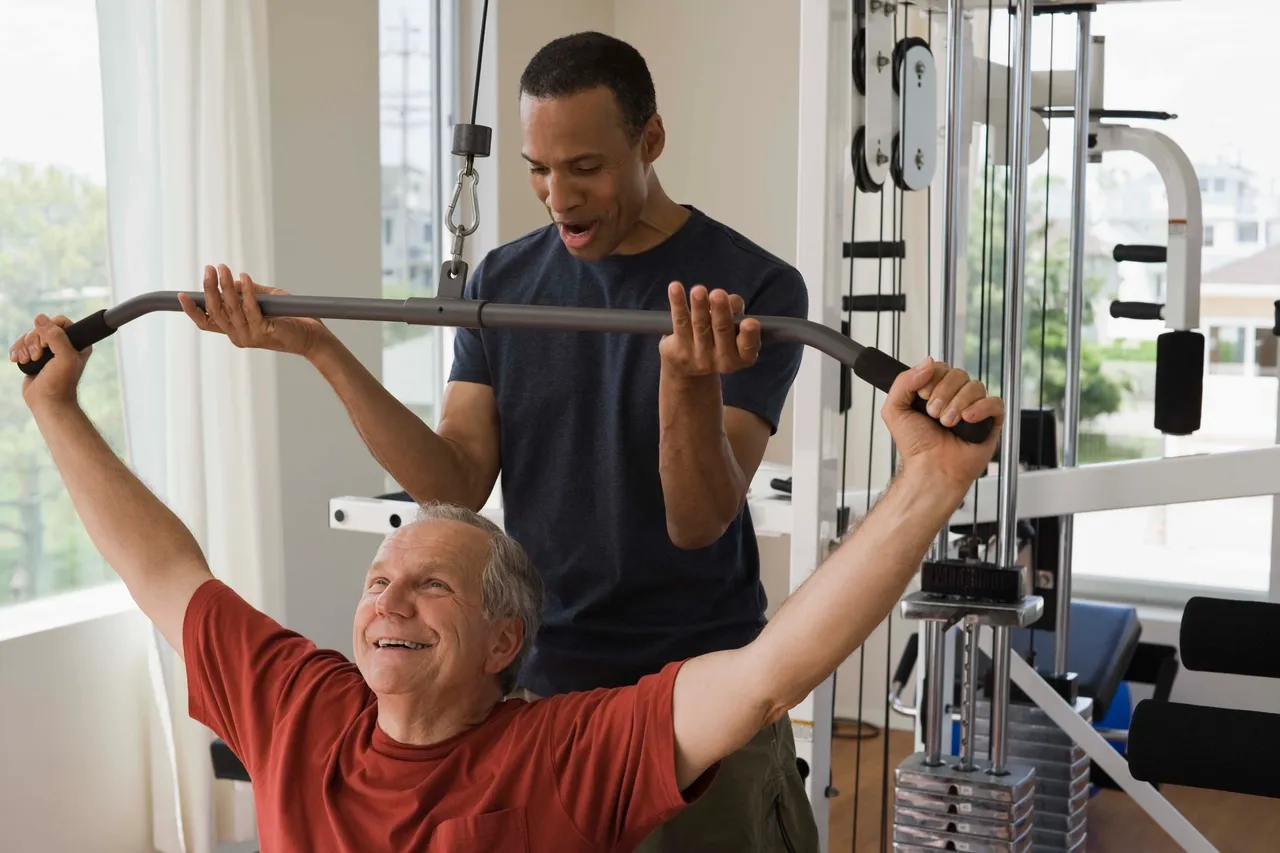
• STRENGTH: weight/resistance-based training x 2-3 times a week
• FLEXIBILITY: stretching, increasing your range of motion e.g., through yoga/Pilates 4-5 days a week (not for too long)
• BALANCE: eg Tai Chi, walk outs etc. these all help with our balance and posture
All of the above we incorporate in our sessions at TP Health & Fitness. By maintaining a balance every week you can fight back against the problems of OA.
5. Get more ergonomic
If you do deskwork from home, be body-aware and naturally active:
Here are some easy and efficient ways to do just that:
• Make sure you are set up correctly: have the right office chair, make sure your feet are planted, the screen is at a good head height, so you are not straining your neck
• Ensure your back is always straight when working and your arms are rested and at 90 degrees to your desk
• It's easy to get cold if sitting still for long periods at your desk. Keep moving those stiff joints and, if you can, keep your workspace warm
• Stand every hour – it's easy and there are NO excuses. Stand up and walk around your workspace. Even better, block out 30 mins each day to take a walk
• Being conscious of joint issues and protect your joints: when you feel niggles in any joints don't be tempted to 'just finish this job'! Stop, move and try to massage the painful area. Please mention it when you come to the gym.
## 6. Quit smoking
Enough said!
## Conclusion
So, did that make you rethink even part of your daily regime? Are you at risk of developing arthritis and do you need some support in managing your lifestyle, exercise and diet? If you have any further questions, then please don't hesitate to contact us!
Simply email info@tphealthfitness.com for more information on our programmes and what we can do to help you with your health and lifestyle. Book your 30 mins consultation with us today!
TP Community
If you want this applied in the studio, book a Power Hour. It is £50, in Harpenden.
Book Your Power Hour