2024-05-15 · 5 min read · TP Team
There are many foods that have been mistaken as healthy due to appealing labels that companies use in their marketing. You might see claims such as:
• Low fat
• Vegan
• Gluten Free
• Low carbs
How do foods make you gain weight?
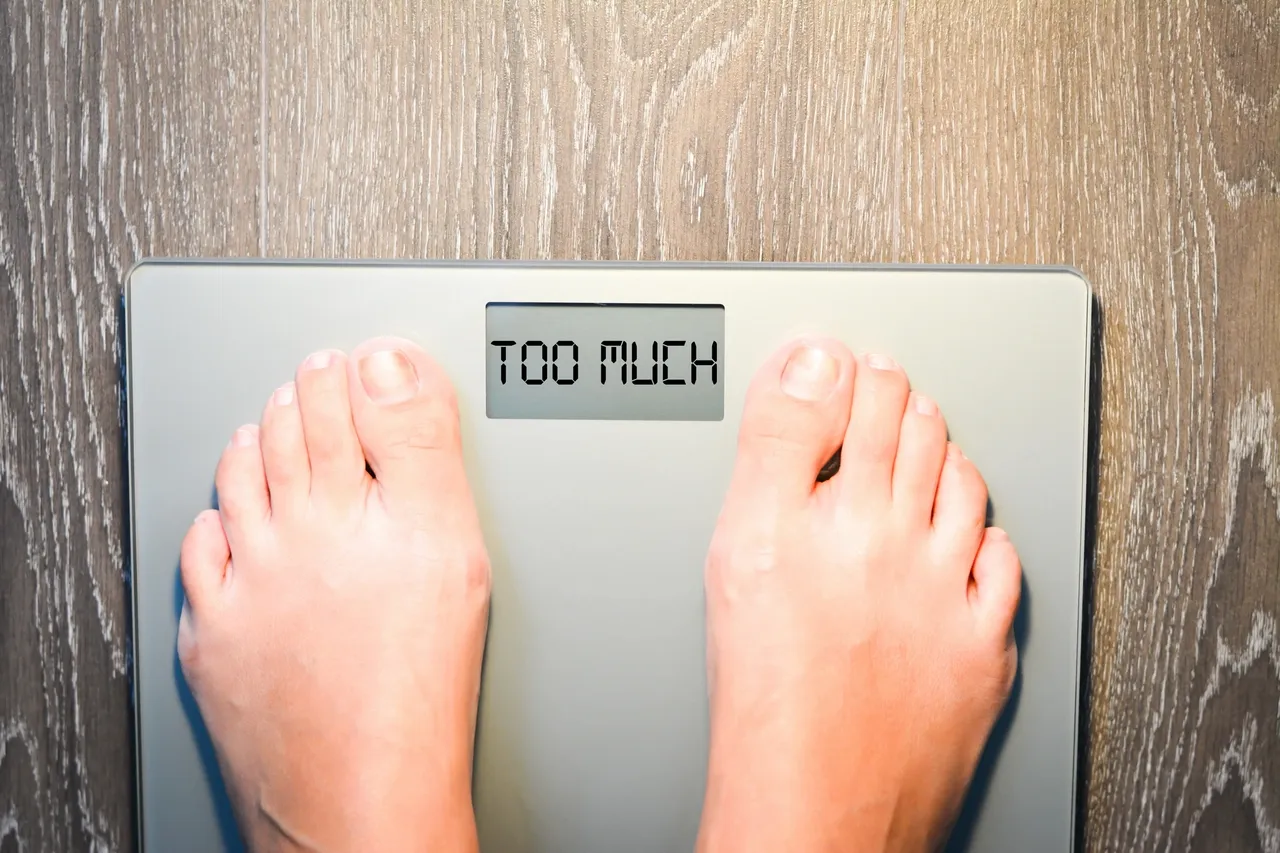
Certain foods are more likely to contribute to weight gain than others, including processed foods that are high in calories, fat, added sugar, and salt. When we eat more calories than we burn off over the course of the day, our bodies store those extra calories, usually in the form of fat.
Here are 7 surprising foods that you should avoid when trying to lose weight:
## 1. Granola and Granola Bars
Even though some granolas and granola bars are quite nutritious, many are packed with added sugar and very high in calories. For example, 1 Quaker Chewy Yoghurt Granola Bar packs 10 grams of added sugar per bar.
## 2. Flavoured Yoghurts
Yoghurt can be a healthy choice, but it's best to opt for unsweetened yoghurt whenever possible. Flavoured and "fruit on the bottom" yoghurts can contain a surprising amount of sugar in just a small serving. They can also contain processed additives and sweeteners which highly contribute to weight gain.
## 3. Shop-Bought Protein Shakes and Bars
Some foods that are naturally high in protein, like fish, eggs, and beans, are without a doubt healthy choices. However, items like protein bars and protein shakes can be loaded with added sugar and unnecessary ingredients, like:
• Artificial Sweeteners
• Artificial Colours
• Oils
• Thickeners
## 4. Sports Drinks and Energy Beverages
Whilst companies market sports drinks and energy beverages as ways to boost energy and athletic performance, these beverages are unnecessary for most people. They can be high in ingredients like added sugar, artificial colours, and large amounts of stimulants, such as caffeine. For example, there is 62 grams of sugar in a 500ml bottle of Lucozade Energy Orange.
## 5. Gluten Free Snack Foods
For people with gluten-related disorders, avoiding gluten is necessary. However, some processed gluten-free snack foods and sweets contain just as much, if not more, calories and added sugar as other snacks. Also, gluten-free snack foods and other gluten-free items tend to be lower in protein, fibre, and certain vitamins and minerals than their gluten-containing counterparts.
## 6. Some Low Fat and Fat Free Products
Just because a food is low in fat doesn't mean it's a healthier choice. Food manufacturers often replace fat with sugar in low fat and fat-free products to make up for the flavour loss. Also, fat-free products may be less filling than their full fat versions as fat is a macronutrient that supports feelings of fullness and makes food more pleasurable to eat. Fats are an essential part of your diet and eating nutritious high fat foods can help you reap their benefits.
## 7. Breakfast Cereal
Many breakfast cereals are made with refined grains, lack filling nutrients like protein and fibre, and can be very high in added sugar. Even cereals marketed toward adults can be packed with added sugar. For Example, Honey Nut Cheerios, which is marketed as "heart healthy," contains 12 grams of added sugar per cup.
## The Bottom Line
Don't be fooled by clever marketing claims. Always read nutrition labels and ingredient lists to make informed choices about the foods you're consuming. Focus on whole, unprocessed foods whenever possible for sustainable weight loss.
If you want this applied in the studio, book a Power Hour. It is £50, in Harpenden.
Book Your Power Hour